
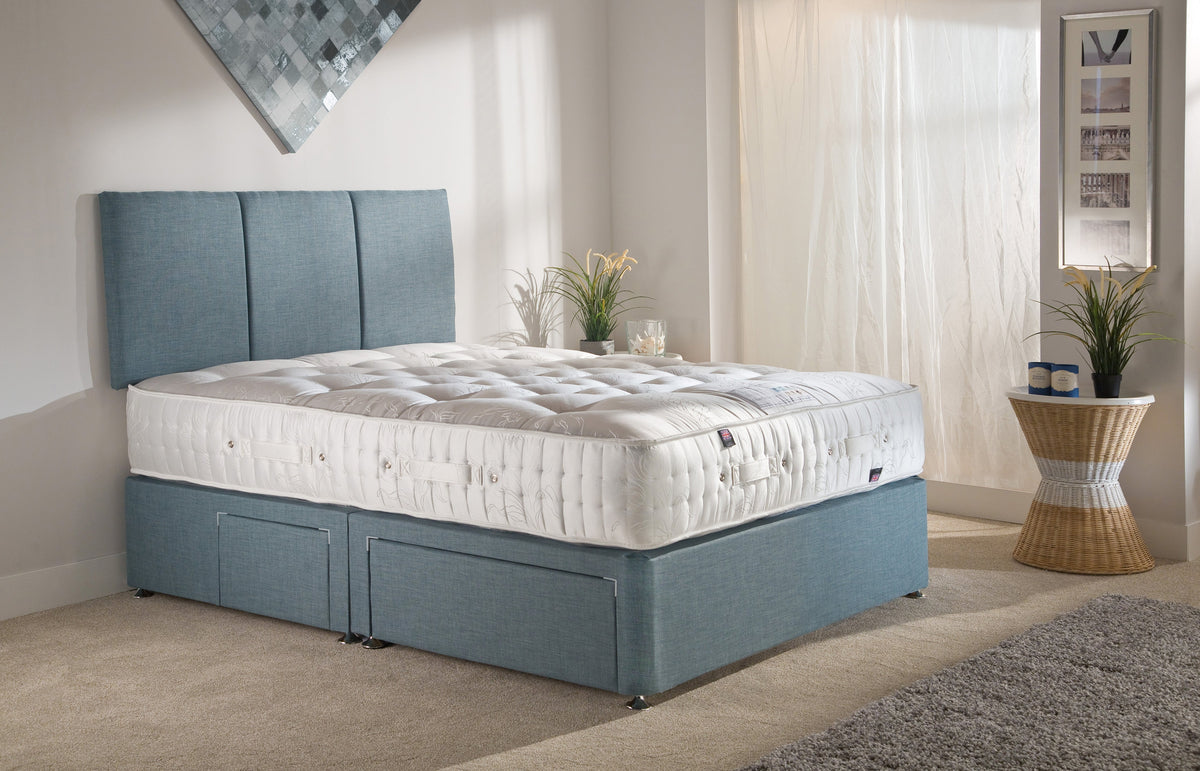
Mattresses
A good mattress is the key to a good night's sleep. Our range includes pocket sprung and hand-tufted designs for lasting comfort and support. Pair your mattress with one of our oak bed frames for a complete bed. Standard delivery is free to mainland UK.


How to Choose a Mattress
Your mattress affects your sleep, your back and your mood. It's worth taking time to choose well. Here are the main things to consider.
Understand the Spring Count
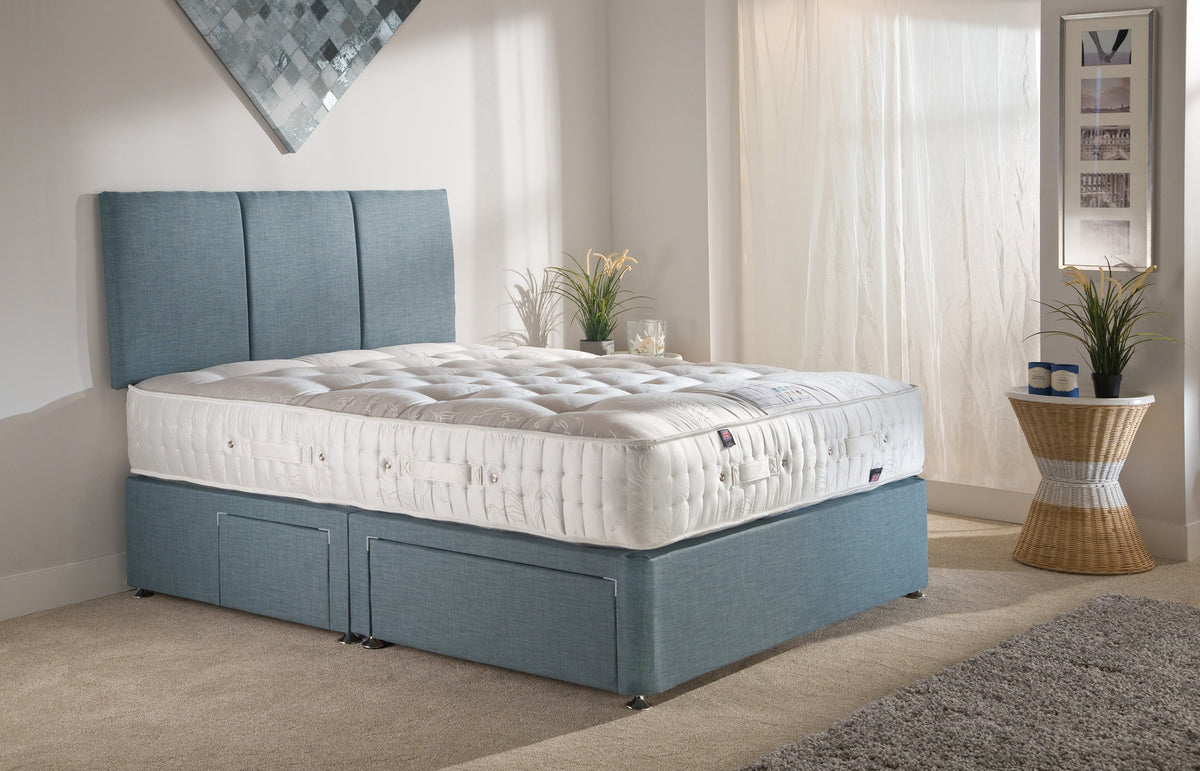
Pocket sprung mattresses use springs in individual fabric pockets. Each spring moves on its own. This means less disturbance if your partner turns over. Numbers like 3700 or 5000 usually refer to the spring count. A higher count often means finer, more responsive support.
What Is Tufting?
Tufting stitches through the mattress layers. It holds the fillings in place so they don't shift or lump. Tufted mattresses keep their shape for longer.
Pick the Right Firmness
- Soft – often suits side sleepers, cushioning shoulders and hips.
- Medium – a good middle ground for most people.
- Firm – often suits back and front sleepers who want more support.
Body weight matters too. Heavier sleepers may prefer firmer support.
Check Your Bed Frame
Slats should be no more than about 7cm apart for most mattresses. Wider gaps can cause sagging. Make sure your mattress size matches your bed frame exactly.
Caring for Your Mattress
Rotate it every few months, head to foot. Use a mattress protector to guard against spills. Air the mattress when changing bedding. Follow the maker's care label.
Complete your bedroom with bedside cabinets and a chest of drawers. Browse all bedroom furniture.
Mattresses: Frequently Asked Questions
What does pocket sprung mean?
Each spring sits in its own fabric pocket and moves independently, giving targeted support and less partner disturbance.
How often should I replace my mattress?
Most mattresses last around 8 to 10 years. Replace it sooner if it sags or you wake up stiff.
Should I turn my mattress?
Rotate it head to foot every few months. Check the care label to see if it's designed to be flipped as well.
Do your mattresses fit your bed frames?
Yes, as long as you choose the same UK size. Always match the mattress size to the frame's stated mattress size.