
Wall Lights
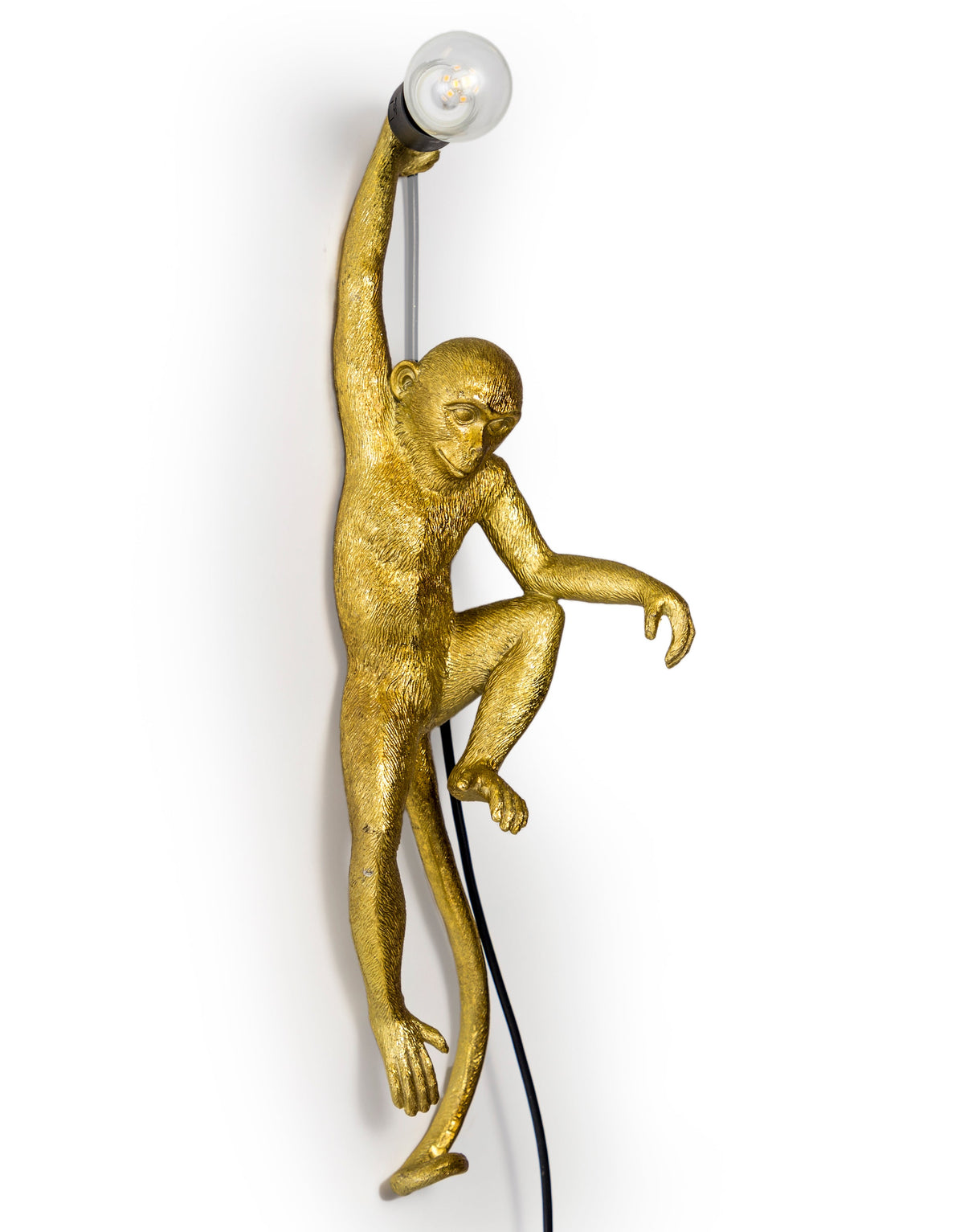
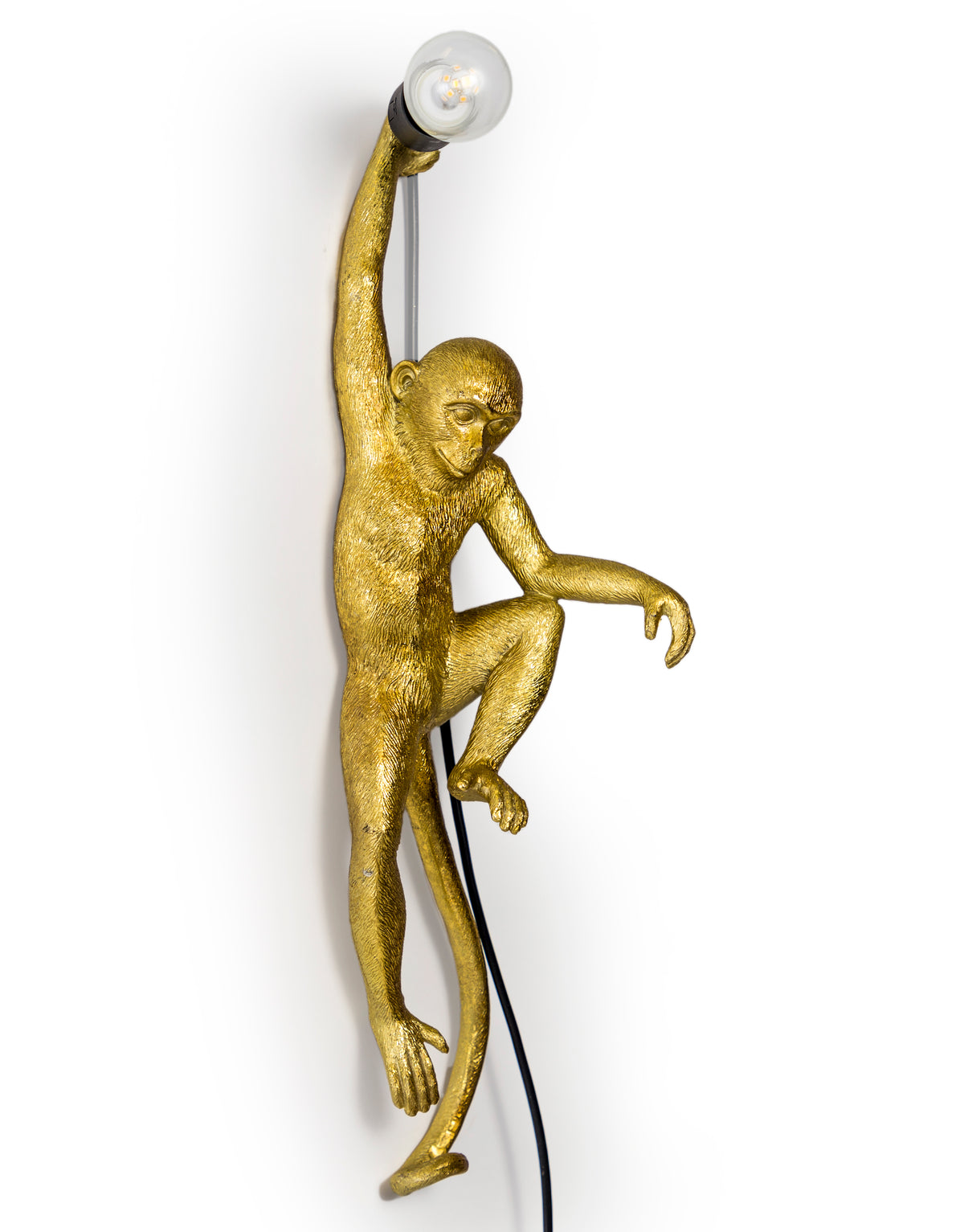
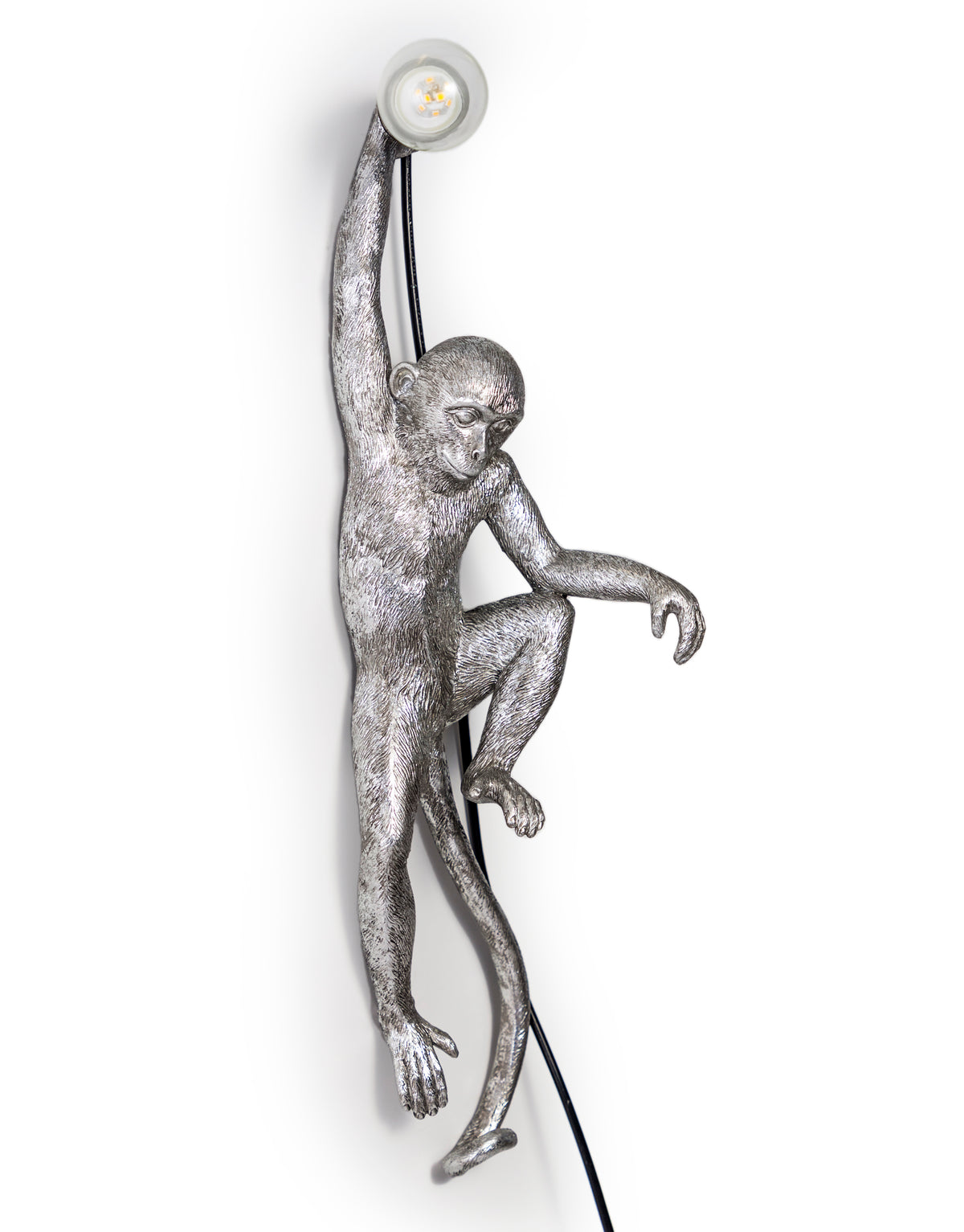
Wall lights add warmth and character while keeping surfaces clear. Our decorative designs include the playful climbing monkey wall light. Use them to light narrow halls, landings, stairways and bedsides. They also look great in pairs either side of a mirror or artwork.


Wall Lights: Space-Saving Style
Wall lights are perfect when space is tight. They don't need a table or floor space. They add soft, flattering light at a useful height. They can also be a decorative feature on their own.
Best Places for Wall Lights
- Hallways and landings – light the way without cluttering narrow spaces.
- Either side of a bed – replaces bedside lamps and frees up surfaces.
- Beside a mirror – gives even light for getting ready.
- Above a sideboard – frames artwork or a mirror.
Height Guide
In living rooms and halls, fit wall lights around 150 to 170cm from the floor. Beside a bed, about 60 to 70cm above the mattress top works well. Space pairs evenly for a balanced look.
Decorative Wall Lights
The climbing monkey wall light shows our love of characterful lighting. A sculpted monkey reaches up to hold the light. It's a fun way to bring personality to a hallway or snug.
Installation
Hard-wired wall lights must be fitted by a qualified electrician. They'll check the circuit and make sure everything meets UK regulations. Plan positions before you decorate, so cables can be hidden in the wall.
Bulbs
Choose warm white LED bulbs for a cosy feel. Check the fitting type and maximum wattage on the product page. Dimmable bulbs and switches give you more control over the mood.
Explore our table lamps and floor lamps, or see all lighting. Pair wall lights with a wall mirror for a smart finish.
Wall Lights: Frequently Asked Questions
How high should wall lights be fitted?
Around 150 to 170cm from the floor in living areas, or 60 to 70cm above the mattress beside a bed.
Do wall lights need an electrician?
Hard-wired wall lights must be installed by a qualified electrician to meet UK wiring regulations.
Can wall lights replace bedside lamps?
Yes. Wall lights beside a bed free up bedside surfaces and give good reading light.
What bulb should I use in a wall light?
Use a warm white LED bulb that matches the fitting type. Check the maximum wattage on the product page.