
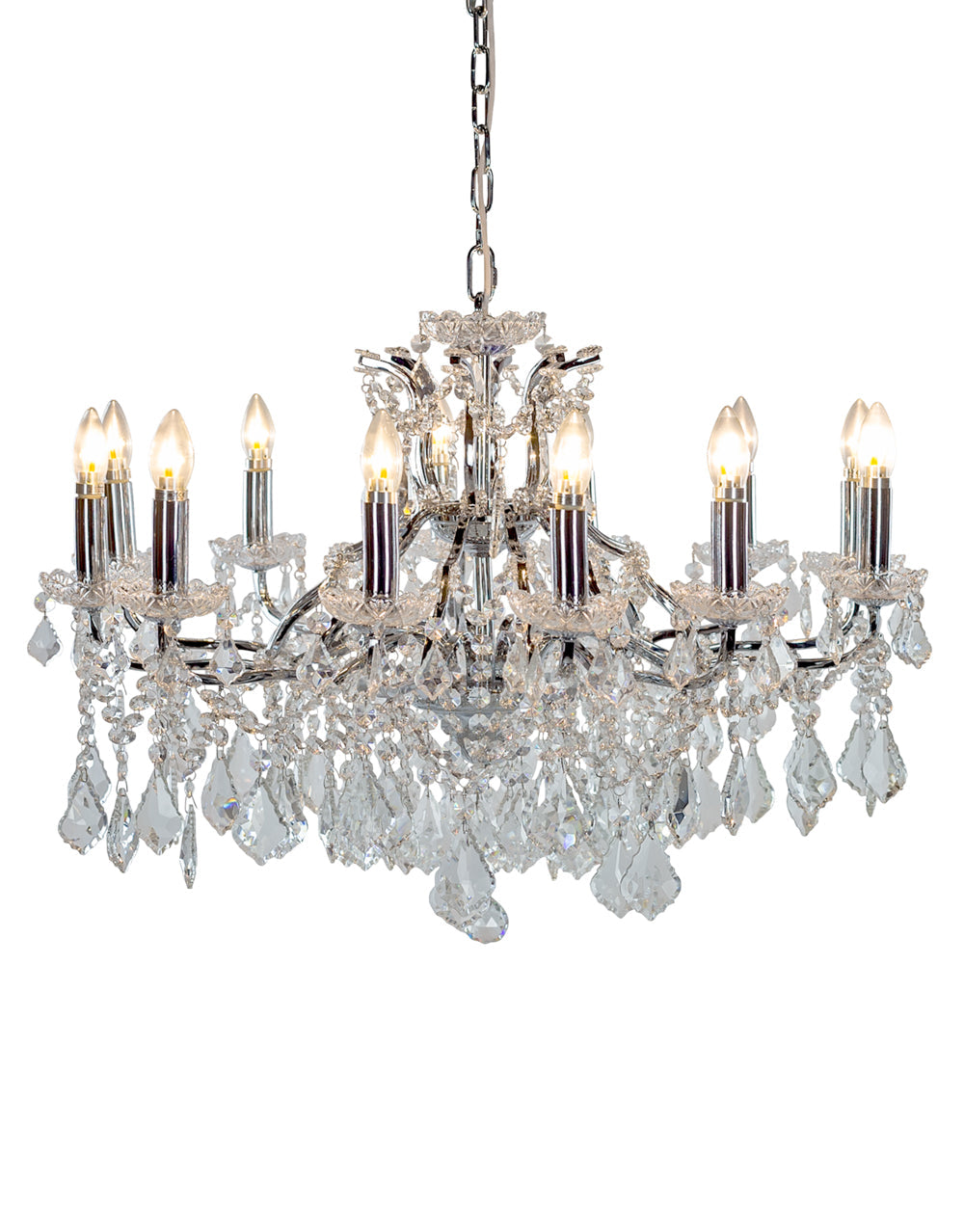
Ceiling Lights
Your ceiling light sets the base layer of light for the whole room. Our ceiling lights include statement branch chandeliers with a shallow, low-profile design. They suit typical UK ceiling heights in living rooms, dining rooms and hallways. Pair them with lamps for a warm, layered effect.
Choosing the Right Ceiling Light
The ceiling light is usually a room's main source of light. It's also a design feature that's seen from every angle. A good choice balances brightness, size and style.
Match the Light to the Room
- Living rooms – a decorative light with dimmable bulbs for flexibility.
- Dining rooms – a statement piece centred over the table.
- Hallways – a light that welcomes guests and lights the stairs.
- Bedrooms – softer, low-glare light for relaxing.
Think About Ceiling Height
For ceilings around 2.4m, choose shallow or flush designs. Allow at least 210cm clearance below the light where people walk. Higher ceilings can take longer drops and larger fittings.
Sizing Your Light
A simple guide: add the room length and width in metres. Multiply by 10 for a suitable diameter in centimetres. Over a dining table, aim for a light about half to two thirds the table's width.
Statement Branch Lights
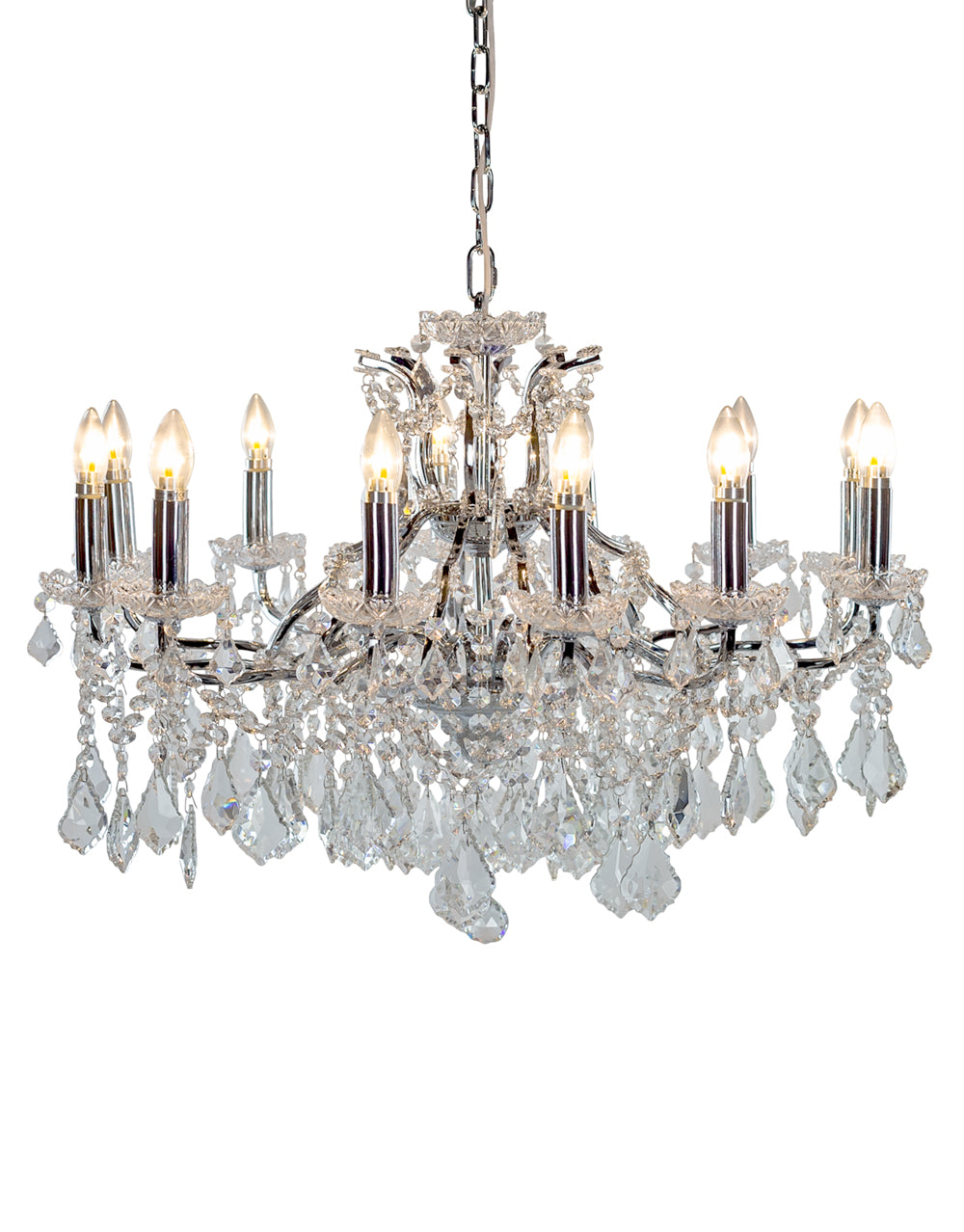
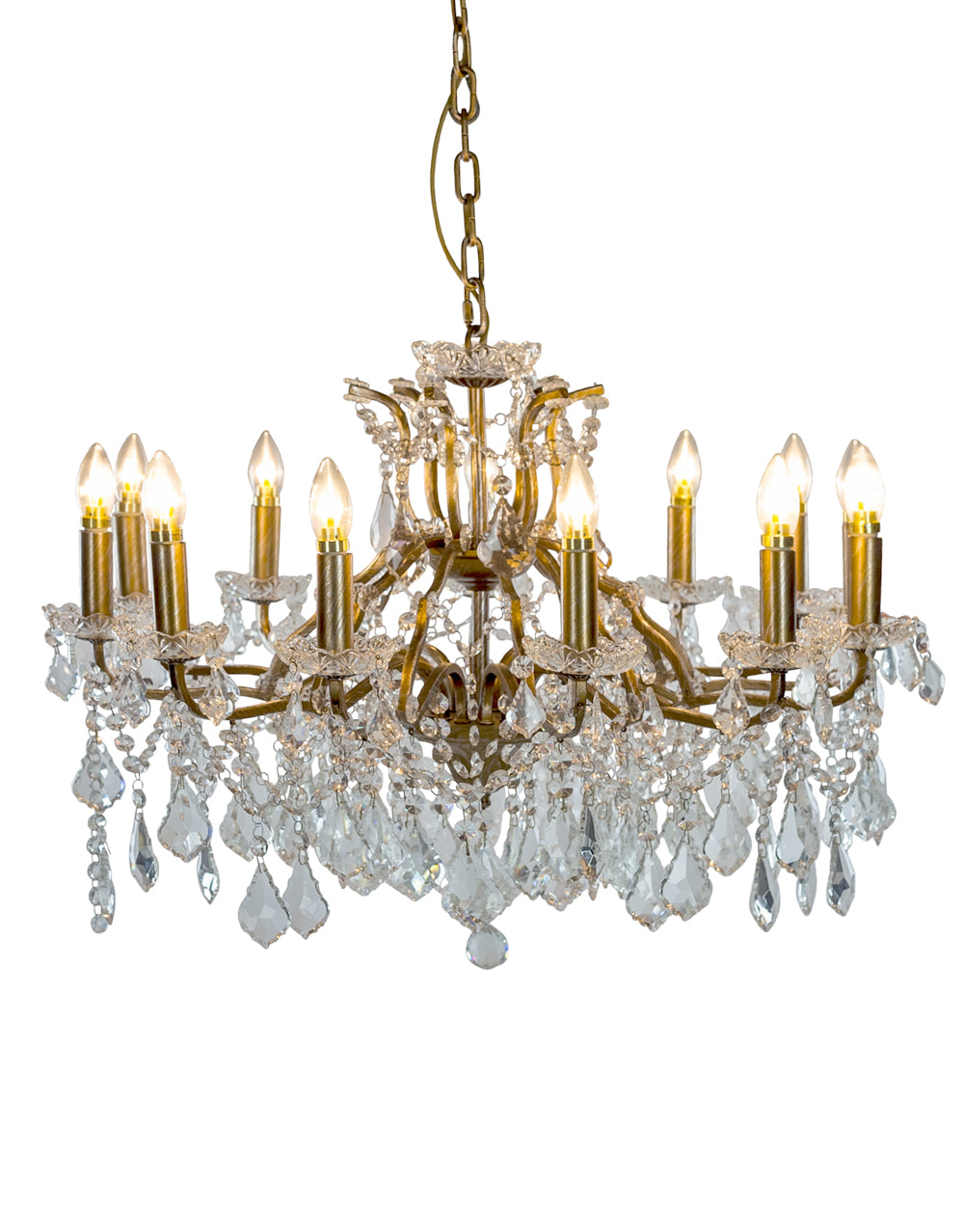
Our shallow branch designs bring chandelier glamour to everyday rooms. They come with 6, 8 or 12 arms. See the full range of chandeliers for more detail.
Installation
All ceiling lights must be fitted by a qualified electrician. Check the ceiling can take the weight of heavier fittings. Fitting a dimmer switch lets you change the mood.
Layer Your Lighting
Even the best ceiling light works better with support. Add table lamps, floor lamps and wall lights around the room. Browse all lighting.
Ceiling Lights: Frequently Asked Questions
What ceiling light suits a low ceiling?
Choose a flush or shallow design. Keep at least 210cm clearance underneath where people walk.
How big should a ceiling light be?
Add room length and width in metres and multiply by 10 to get a suitable diameter in centimetres.
Can I put a dimmer on a ceiling light?
Usually, yes. Use dimmable LED bulbs and a compatible dimmer switch fitted by an electrician.
Do ceiling lights need professional installation?
Yes. Ceiling lights must be installed by a qualified electrician to meet UK regulations.